Nederlands
  Deutsch
  Français
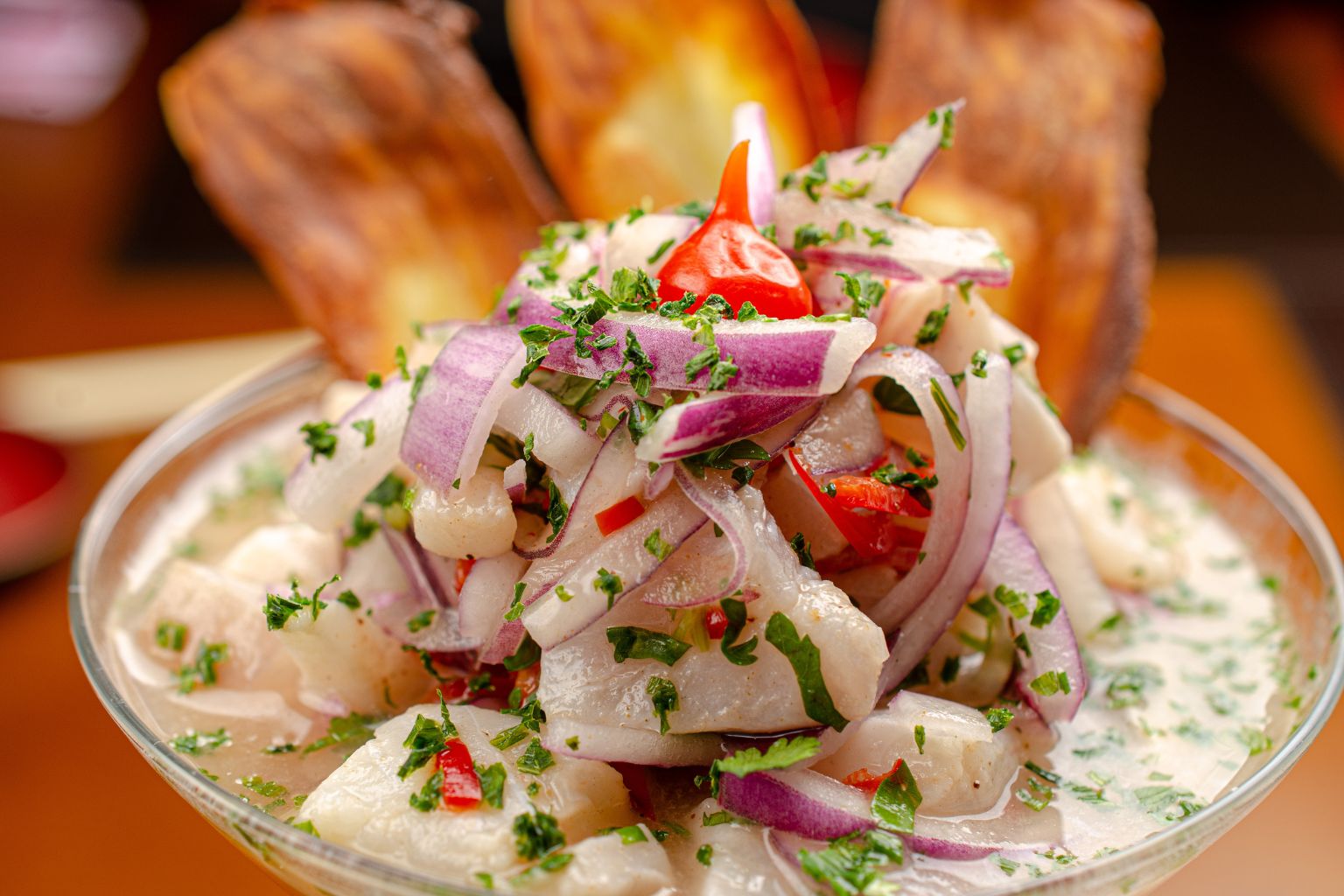
Ceviche is a popular fish dish that originated in South America, specifically in Peru. Ceviche consists of raw fish or seafood that is “cooked” in citrus juice, usually lime juice. The acidity of the citrus changes the texture of the fish, making it firmer—similar to the effect of heat during cooking.
Ceviche is known for its fresh flavor, light character, and modern appeal. Today, ceviche is popular in restaurants around the world and is increasingly served as an appetizer, lunch dish, or part of seafood sharing concepts.
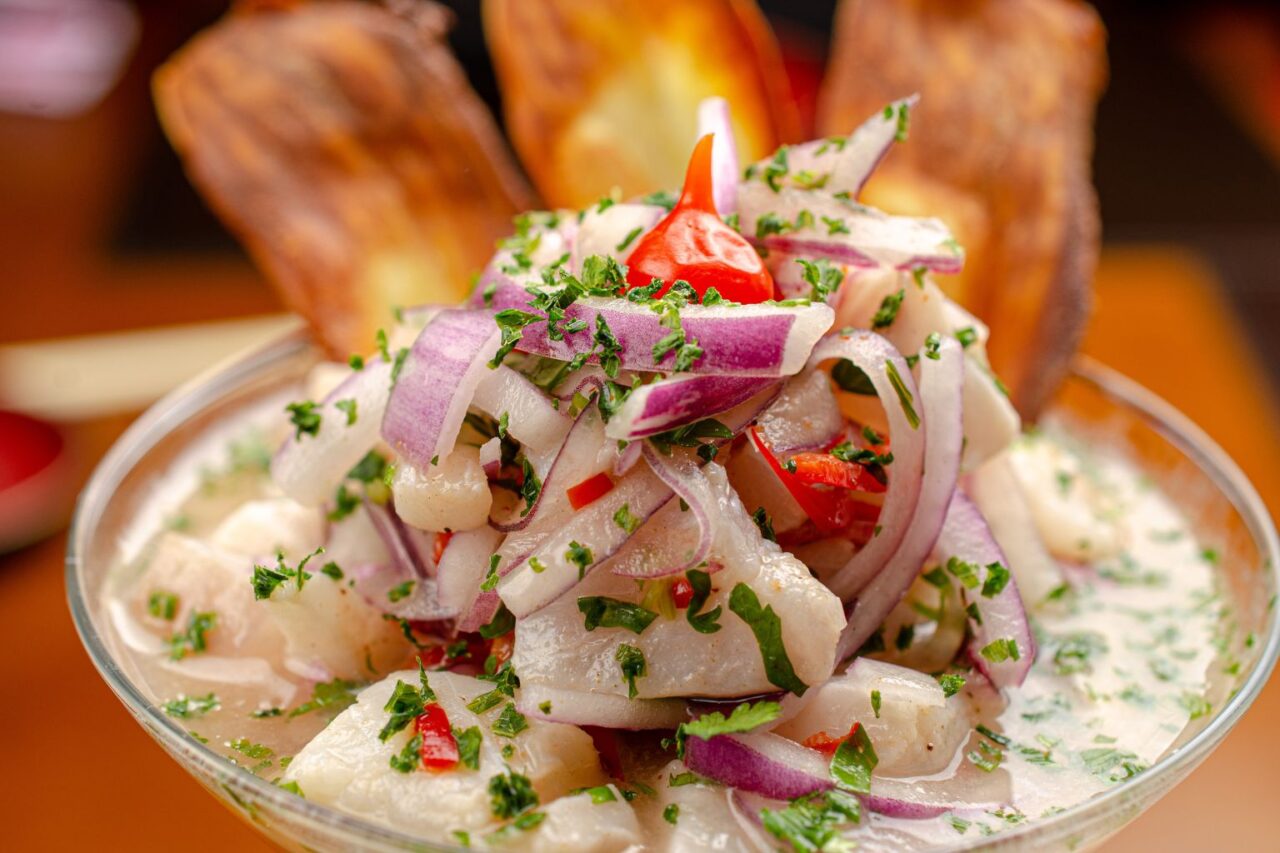
How is ceviche made?
The main ingredient in ceviche is fresh raw fish, which is cut into small pieces and then marinated in lime or lemon juice.
Other ingredients are often added, such as:
- Red onion
- Chili pepper
- Cilantro
- Salt and pepper
- Garlic
- Corn
- Sweet potato
The acid in the citrus juice causes the proteins in the fish to change. This gives the fish a firmer texture and a fresh flavor.
What kind of fish is used for ceviche?
Ceviche is typically made with firm, fresh fish that are suitable for eating raw, such as sea bass, tuna, salmon, sea bream, and cod.
Shellfish such as shrimp, scallops, and octopus are also commonly used.
The quality and freshness of the fish are very important here.
Why is ceviche so popular?
Ceviche aligns well with various food trends that are currently popular in the foodservice and retail sectors.
A fresh and light dish
Consumers are increasingly opting for light and refreshing meals. Ceviche fits perfectly into this trend thanks to its combination of fresh fish, citrus, and herbs.
International cuisine
The popularity of Peruvian and South American cuisine has made ceviche famous around the world.
Healthy appearance
Fish is high in protein and omega-3 fatty acids. As a result, ceviche is often considered a healthy choice.
Luxury presentation
Ceviche has a modern and upscale appeal, making it popular in restaurants and the foodservice industry.
What is the difference between ceviche and sushi?
Although both dishes contain raw fish, there are significant differences.
| Ceviche | Sushi |
| The fish is marinated in citrus juice | Raw fish without a citrus marinade |
| Fresh and tart flavor | Served with rice |
| Often combined with herbs and vegetables | More focus on the pure taste of fish |
Because of these differences, both dishes offer a unique taste experience.
How long should ceviche marinate?
The marinating time for ceviche is usually short. Depending on the type of fish, it often ranges from 10 to 30 minutes.
Marinating for too long can cause the fish to become too firm and lose its fresh flavor.
Is ceviche made with raw fish?
Technically speaking, ceviche is still raw fish, since it isn’t cooked. However, the citrus acid does change the texture of the fish, making it look as if it has been cooked.
That is why it is important to always use very fresh, high-quality fish.
Ceviche in the foodservice and retail sectors
Ceviche is becoming increasingly popular in the modern restaurant industry. Seafood, fusion, and South American restaurants, in particular, are adding ceviche to their menus.
In addition, we’re seeing more ceviche-inspired products in retail, such as:
- Seafood bowls
- Marinated fish products
- Ready-to-eat poké bowls
- Fresh convenience meals
With its fresh flavor and luxurious appearance, ceviche fits well into modern food concepts.
Conclusion
Ceviche is a refreshing seafood dish made by marinating raw fish in citrus juice. The dish originated in Peru and has since become popular worldwide.
With its combination of fresh fish, zesty flavors, and elegant presentation, ceviche is a perfect fit for modern food trends in the hospitality, retail, and foodservice industries.
Sources & References
This article draws on information from the Dutch seafood industry, hospitality trends, market developments, and publications by sources including Encyclopædia Britannica and the FAO.